

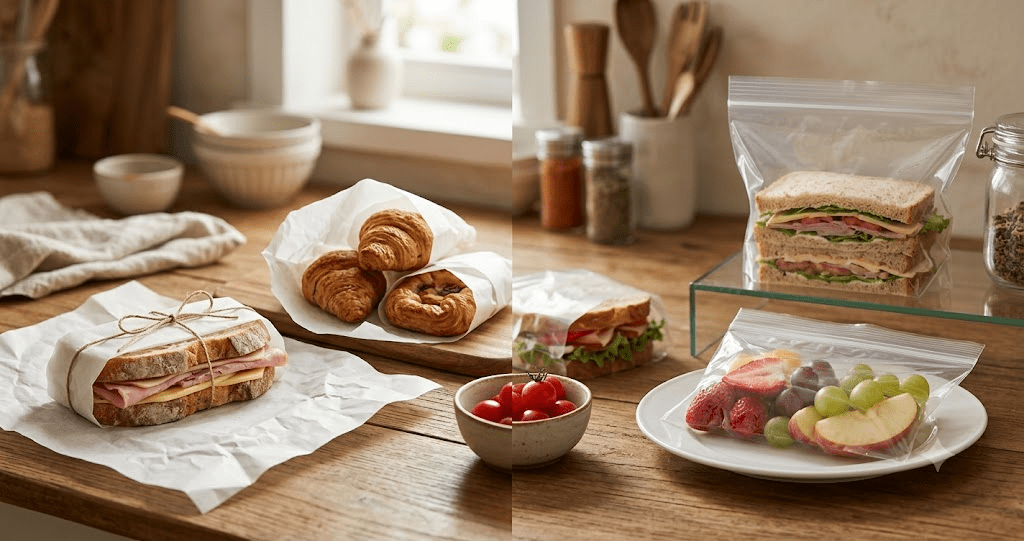
Walk into any Hyderabad kitchen — home or commercial — and you’ll find one of two things wrapped around fresh food: butter paper or a plastic pouch. Both feel like harmless, everyday choices. But when it comes to short-term food storage, they behave very differently, and that difference matters more than most people realize.
With food businesses across the city facing tighter scrutiny on packaging and hygiene, the butter paper versus plastic pouch debate has moved from a minor kitchen preference to a genuine operational decision.
Why This Comparison Matters Now
Telangana’s restrictions on single-use plastic have pushed bakeries, restaurants, and sweet shops to rethink what touches their food before it reaches the customer. At the same time, customers themselves are paying closer attention to what their food is wrapped in. This has made sourcing quality butter paper in Hyderabad,India a priority for businesses that want to stay compliant and keep food fresh without compromising on presentation.
What Is Butter Paper, Exactly?
Butter paper — also called glassine paper — is a smooth, semi-transparent paper treated to resist grease, moisture, and air to a controlled degree. It’s not fully waterproof, but that’s actually part of its usefulness for short-term storage.
Key properties:
- Grease-resistant, making it ideal for fried snacks, parathas, and bakery items
- Breathable enough to prevent sogginess in items like bread or biscuits
- Non-reactive with food, unlike some plastics that can leach chemicals under heat
- Compostable and recyclable, unlike most plastic pouches
What Are Plastic Pouches Known For?
Plastic pouches — typically made from LDPE or similar polymers — are valued for being fully airtight and waterproof. They’re common for liquids, wet items, and anything needing an extended shelf life.
Key properties:
- Completely moisture and air-tight seal
- Transparent for easy product visibility
- Durable against tearing and punctures
- Non-biodegradable, contributing directly to plastic waste
Head-to-Head: Short-Term Food Storage Performance
For short-term storage — a few hours to a couple of days — the comparison shifts in favor of qualities that plastic doesn’t naturally offer.
1. Freshness and Texture Butter paper’s breathability keeps fried and baked items crisp rather than trapping steam, which is exactly what happens inside a sealed plastic pouch. Sealed plastic often leaves samosas, kachoris, or bread soggy within hours.
2. Food Safety Butter paper is chemically inert and doesn’t react with hot or oily food. Many plastic pouches, especially lower-grade ones, aren’t rated for direct contact with hot food and can pose contamination risks under heat.
3. Hygiene Perception Customers increasingly associate paper wrapping with cleaner, more “handmade” or artisanal food preparation — a perception that directly affects buying behavior in bakeries and quick-service restaurants.
4. Compliance Plastic pouches, particularly thin ones, fall under regulatory restrictions in several Indian states, including Telangana. Butter paper sidesteps this issue entirely.
5. Cost at Scale Plastic pouches can be marginally cheaper per unit in bulk, but that gap is narrowing as compliant, food-grade butter paper becomes more widely manufactured and available locally.
Where Plastic Pouches Still Make Sense
To be fair, plastic isn’t obsolete everywhere. It still outperforms butter paper for:
- Liquids and semi-liquids like gravies, sauces, or marinated items
- Products needing airtight sealing for freezer storage
- Situations demanding full visibility of the product through clear packaging
The right choice usually depends on the food type, not a blanket rule — dry, fried, or baked items lean toward butter paper, while wet or frozen items may still need plastic.
How Hyderabad Food Businesses Are Adapting
Local bakeries, tiffin centers, and sweet shops are increasingly pairing butter paper with paper bags for a fully plastic-free short-term packaging setup. This shift is also why demand for reliable paper bag manufacturers in Hyderabad,India has grown alongside butter paper demand — businesses want one supplier who can deliver both consistently, rather than juggling multiple vendors.
This is where sourcing decisions become important. Not every supplier maintains the same paper grade, grease resistance, or hygiene standards. A manufacturer like Anmol Bags supplies food-grade butter paper alongside custom paper bags, giving Hyderabad, India food businesses a single, dependable source for compliant, quality packaging.
What to Check Before Switching to Butter Paper
If you’re a business considering the switch, verify these points with your supplier:
- Food-grade certification — confirm the paper is safe for direct food contact
- GSM and grease resistance — heavier GSM paper handles oily items better
- Consistent supply — especially important for daily-use businesses like bakeries
- Custom sizing and printing — for brands wanting logo printing on their butter paper sheets
The Bottom Line
For short-term food storage — a few hours on a counter, in transit, or in a takeaway bag — butter paper generally outperforms plastic pouches on freshness, safety perception, and regulatory compliance. Plastic still holds an edge for liquid and frozen storage, but for the everyday business of wrapping snacks, baked goods, and ready-to-eat food, butter paper has become the more practical, future-proof choice for Hyderabad’s food industry.
Frequently Asked Questions
1. Is butter paper better than plastic for storing hot food?
Yes, for short durations. Butter paper is breathable and doesn’t trap steam the way sealed plastic does, which helps hot, fried, or baked food stay crisp instead of turning soggy.
2. Can butter paper be used for oily or fried foods?
Yes. Butter paper is specifically treated to resist grease, making it a common choice for wrapping parathas, fried snacks, and bakery items without the paper becoming soggy or falling apart.
3. Is butter paper safe for direct contact with food?
Food-grade butter paper is non-reactive and safe for direct food contact, including warm items. It’s important to source it from a verified supplier to ensure it meets food-safety standards.
4. Why are Hyderabad businesses moving away from plastic pouches?
Telangana’s single-use plastic restrictions, combined with rising customer preference for eco-friendly packaging, are pushing bakeries and food businesses toward compliant alternatives like butter paper and paper bags.
5. Does butter paper keep food fresh as long as plastic pouches?
For short-term storage (a few hours to a day or two), yes, particularly for dry or fried items. For extended storage or liquids, airtight plastic pouches still perform better.
6. Where can I buy quality butter paper in Hyderabad for my bakery or restaurant?
Local manufacturers who specialize in food-grade paper products, such as Anmol Bags, supply butter paper along with custom paper bags, offering a consistent source for food businesses across Hyderabad.
7. Is butter paper biodegradable?
Yes. Unlike most plastic pouches, butter paper is compostable and recyclable, making it a more environmentally responsible choice for short-term food packaging.
8. Can butter paper be custom printed with a business logo?
Many paper bag manufacturers in Hyderabad offer custom printing on butter paper sheets, allowing food businesses to reinforce their branding even on everyday wrapping materials.
9. What thickness (GSM) of butter paper is best for fried food?
Heavier GSM butter paper generally offers better grease resistance and durability, making it more suitable for oily or fried items compared to lighter-weight sheets.
10. Should restaurants use butter paper or plastic pouches for takeaway orders?
For dry, fried, or baked takeaway items, butter paper is usually the better choice for freshness and compliance. For liquid-based dishes like curries or gravies, plastic pouches or containers remain more practical.